The multi-city format solving one of hybrid work’s most expensive problems
Every company with more than one office eventually runs into the same question: how do you get people from different locations to feel like one team, without spending a fortune flying them all to a single venue?
It’s a problem more businesses are searching for an answer to than ever. Distributed teams are now the norm rather than the exception, and the cost of centralised, fly-everyone-in offsites has made them a hard sell to finance. Yet the appetite for in-person connection hasn’t gone away. People still want to get together, laugh together, and do something with their colleagues that isn’t a video call. The tension between “we want everyone included” and “we can’t afford to fly 100 people to one city” is exactly what the multi-city format is built to resolve.
The problem with the traditional options
Most businesses with regional offices default to one of two approaches, and both have a flaw.
The first is the centralised offsite: fly everyone to one location for a shared experience. It works, but it’s expensive, it takes people away from home overnight, and it doesn’t scale well once you’re talking about multiple international offices.
The second is a fully virtual activity, with everyone dialling in from their desks. It’s cheaper and avoids travel altogether, but it can feel flat. A screen full of video tiles isn’t the same as being in a room with your local colleagues, and remote-only formats often struggle to generate the kind of energy that makes an activity memorable.
Multi-city solves for both. Each office gets a genuine, local, in-person experience, while a shared technology layer and a live host connect every location into one activity and one leaderboard.
How the multi-city format works
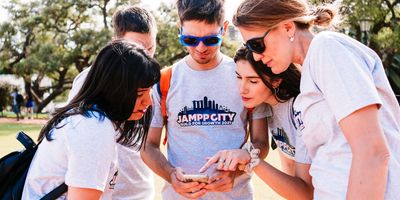
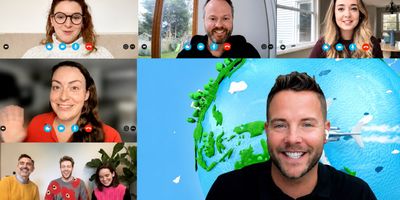
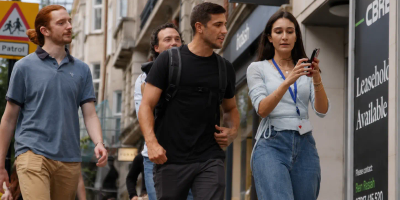
The idea is straightforward. A remote host briefs every office at once over a single video link, so the whole business hears the same instructions at the same time. From there, each office runs its activity locally and in person, using an app on their phones to complete challenges, submit photos and videos, and post scores to a shared, real-time leaderboard. Everyone can see how every other office is doing as the activity unfolds. At the end, all locations reconnect over video for a live wrap-up: the leaderboard reveal, and a look through the photos and videos every office has created.
The result is a shared experience across every office, at a fraction of the cost of flying people to a central venue, and without anyone giving up an evening away from home.
A real example: Amazon EMEA
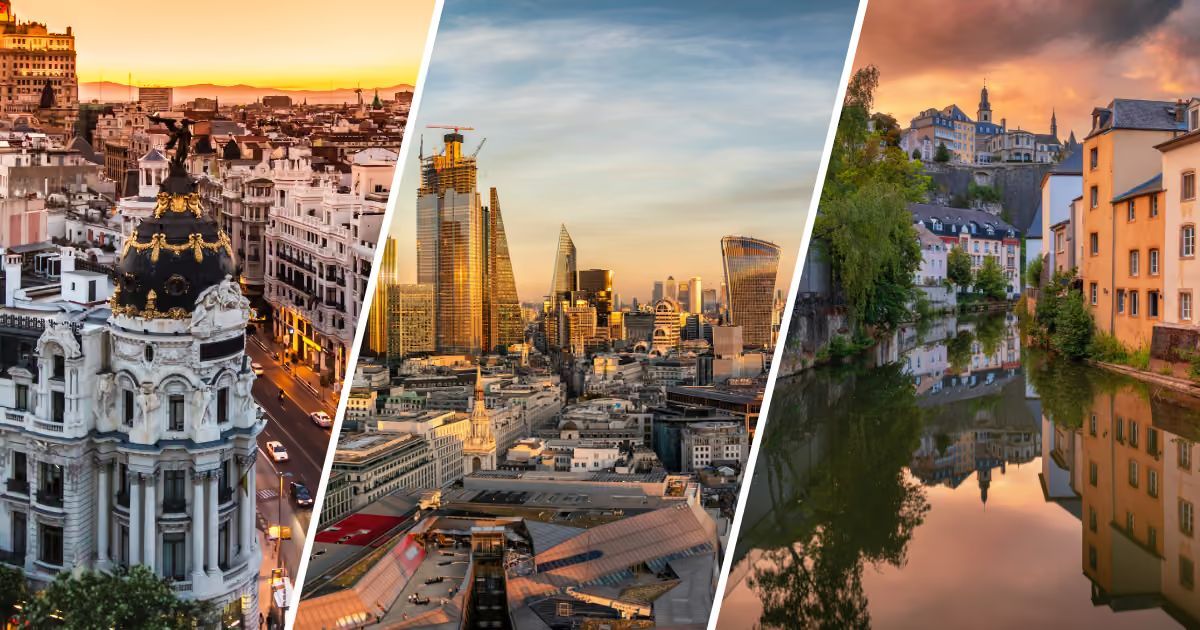
We’ve run this exact format twice for Amazon EMEA, most recently to close day one of their biannual conference for a team of over 100 people spread across three European offices. Amazon needed something that would give every office an identical, high-quality experience simultaneously, and help people shake off “conference fatigue” after a day of back-to-back sessions.
Wildgoose’s Level Up activity ran the same brief across all three offices at once: teams working through ten escalating challenge levels, guided by a live remote host, competing against every other office on one leaderboard. The activity was branded with Amazon’s own event identity, and the challenges were tailored to their team.
In their own words:
“This was our second time partnering with Wildgoose, and once again, the team was thrilled to come together in this format… The highlight of the event is at the end, when we gather across our three conference locations to see the photos and videos we created together with the remote host. It’s been a huge laugh both times… Frankly, I haven’t found many providers on the market capable of guiding an activity like this across three international locations and time zones, but Wildgoose does it brilliantly.”
Karley Ray, Executive Assistant, Amazon EMEA
The activity gave Amazon a pan-European, all-hands experience at a fraction of the cost of a centralised trip, with every office equally included and nobody needing to travel. It’s the second time we’d delivered this for Amazon: read about the first, an outdoor GPS version connecting the same three offices, in our Amazon multi-city case study.
Why this matters beyond one case study
The value here isn’t just cost saving, though that’s a big part of it. It’s the shared story a multi-city activity creates. When colleagues in Madrid, Luxembourg and London have all just done the same challenge, seen each other’s teams on the same leaderboard, and laughed at the same photo gallery, they’ve got something genuine to talk about the next time they’re on a call together. That’s a harder thing to manufacture than most people realise, and it’s exactly what a lot of distributed businesses are quietly missing.
For any organisation with regional offices, or teams split across time zones, that’s a question worth asking before the next offsite gets planned: does everyone really need to be in the same room, or just the same experience?
Frequently asked questions
How do you do team building across multiple offices at once?
A live remote host briefs every office together over video, then each office runs its activity locally and in person using a shared app, with everyone’s scores feeding into one live leaderboard. All offices reconnect at the end for a joint wrap-up.
Is multi-city team building cheaper than a centralised offsite?
Yes. There’s no international travel, no single large venue to book, and no one losing a night away from home, while every office still gets a genuine in-person experience rather than a purely virtual one.
Can multi-city activities work across different time zones?
Yes. Activities can be scheduled to suit each office’s working day, or run as a single synchronised session where time zones are close enough to overlap comfortably.
What’s the difference between multi-city and a standard virtual team activity?
A standard virtual activity has everyone joining from their desks over video. Multi-city keeps each office together in person for the activity itself, and uses technology to connect those separate in-person groups into one shared, competitive experience.
How many offices or people can take part in a multi-city activity?
Wildgoose’s format scales from small teams up to 1,000+ participants across multiple locations, which is why it’s suited to everything from a handful of regional offices to a large, multi-country conference.
Thinking about how to bring your regional offices together? Get in touch with the Wildgoose team.